Loading…

Show your product before it exists: 3D and video
04 Sep
Show your product before it exists: 3D and video
Launching a product usually means solving a frustrating problem: you need images and video to sell it before it physically exists.
Why waiting for the product costs you
Samples cost time and money, prototypes rarely photograph well, and waiting for the final product can mean missing the moment. 3D visualisation and video solve that problem, and they are often the most cost-effective way to do it.
They also let you start marketing, take pre-orders or present the idea to partners while production is still being arranged.
From a sketch to a realistic render
A 3D render can start from surprisingly little: a technical drawing, a sketch, a few reference photos or even a clear description. From there the object is modelled, given realistic materials and lighting, and placed in the scene you need:
- a clean studio background for an online shop;
- a lifestyle setting for social media;
- or a cut-away view that shows what is inside.
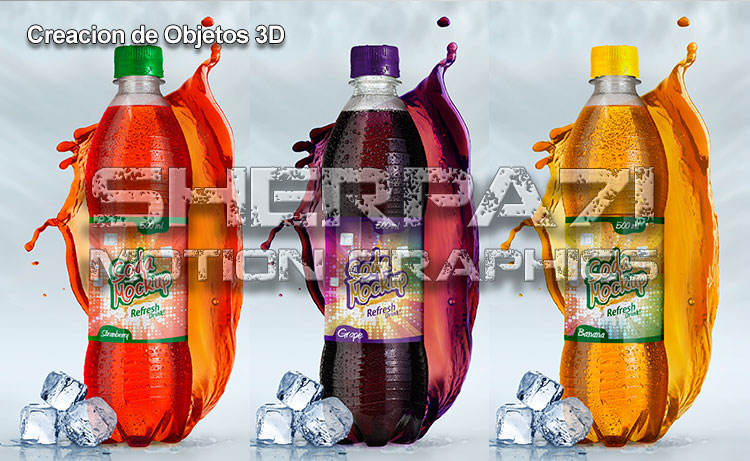
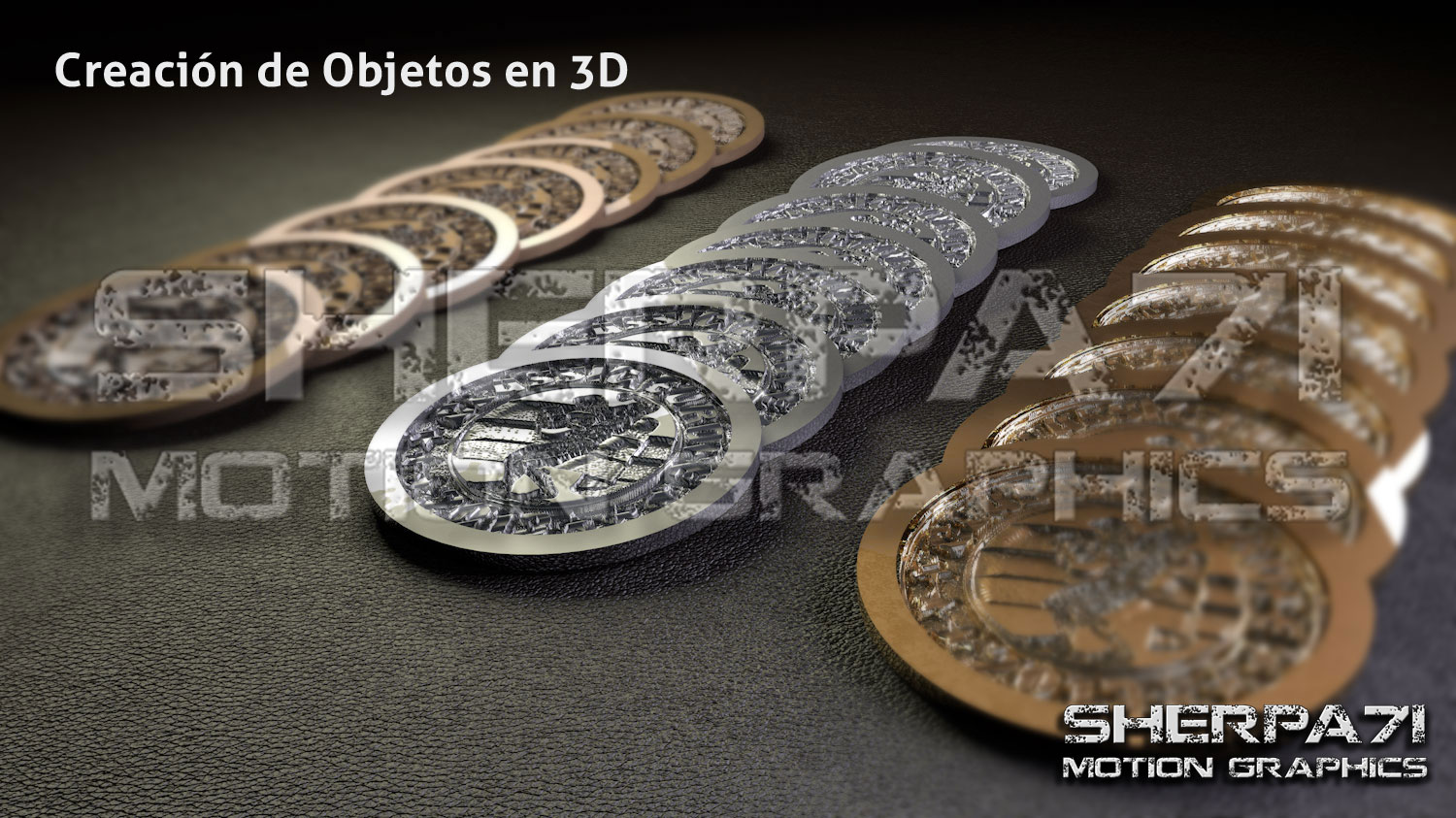
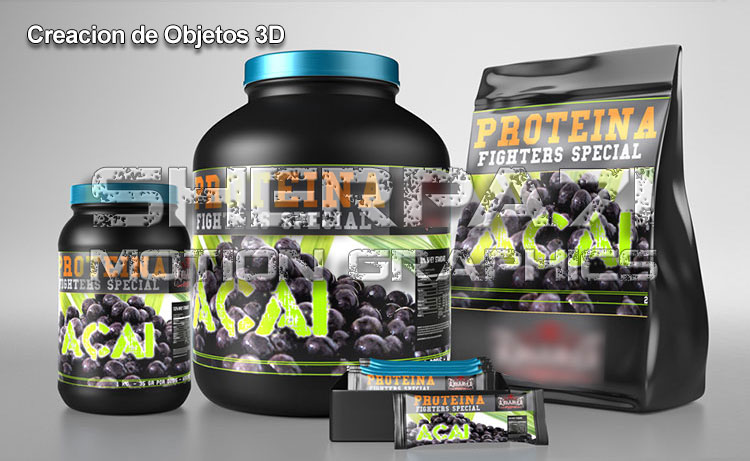
Glass, metal, liquids and fabric can all look convincingly real when they are lit correctly. Our own 3D work has included event medals, drinks bottles, supplement tubs, studio equipment and 3D infographics built from floor plans.
More than a cheaper photo shoot
The practical advantages go well beyond saving the cost of a photo shoot:
- You can show every colour or version without producing each one.
- You can change a label, a finish or a detail and simply render it again instead of reshooting.
- You can see how buyers, investors or distributors react before committing to production.
- And you get consistent images across the whole range, which matters more than people think in an online shop.
At trade fairs and investor meetings, clear visuals can be the difference between an idea people understand and one they forget.
When real footage is the better choice
3D is not always the answer. For people, places and experiences, such as a gym full of members, a team at work or an event night, real photography and video are more convincing, and that is what we recommend. 3D works best for objects, for spaces that are not built yet and for technical ideas that are hard to film.
Many good launches combine both: 3D for the product, real footage for the people who will use it. Whatever the mix, a render should show the real product faithfully, not an idealised version that will disappoint buyers later.
Motion graphics: explaining what a still cannot
Motion graphics sit between the two. Animated text, logos and graphics explain what a still image cannot: how something works, what the steps are, why it is different.
One photo, a whole animated scene
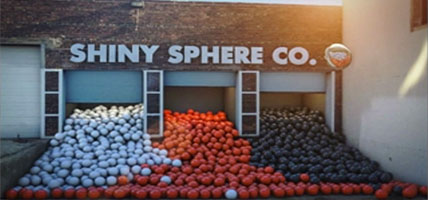
3D can also bring a still photograph to life. Starting from a single photo, the space is rebuilt with matching light and perspective, then objects and camera movement are added so the scene feels filmed rather than assembled.
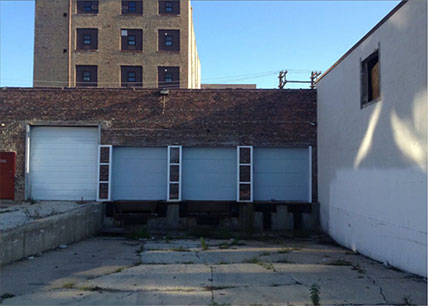
It is a powerful way to show a place as the original photo never could, without organising a new shoot.
Start 3D alongside product development
Think about the timeline too. 3D can run in parallel with product development: the model can be started from early drawings and refined as the design changes, so the images are ready on launch day rather than weeks after it.
The same model can later be reused for new colours, packaging updates, exploded views for instructions or an animation, which makes the initial investment go much further.
Plan every format from the start
Plan the visuals around where they will be used. A launch typically needs:
- a hero image for the website;
- a set of product shots for the shop;
- square and vertical formats for social media;
- and one short video that explains the product quickly.
Include a few images with clear space for text, so they work for banners and ads without awkward cropping. Agreeing these formats at the start avoids re-rendering later and keeps everything visually consistent.
Video that works in seconds
With video, the first seconds decide everything. Show the product, or the problem it solves, straight away. Keep the message to one idea, and make sure it works with the sound off, because many people will watch it that way.
Subtitles and a clear final frame with the product name and where to buy it are simple details that are often forgotten. A short, clear video used in the right places will do more than a long corporate film nobody finishes.
What a good brief includes
To get a good result, prepare a good brief:
- what the product is and who it is for;
- where the images will appear;
- the key message;
- any brand guidelines.
Share every drawing, measurement and reference you have, and agree the number of revision rounds and the final formats before work begins. The more precise the input, the fewer changes you will need, and the sooner you can start selling.
3D, video and the web, together
At SHERPA71, 3D, video and motion graphics have been part of our work for years, alongside the websites and campaigns where those images end up. That combination helps: we plan the visuals knowing exactly how they will be used online. If your product exists only as an idea or a sketch, you can already start showing it.
Visualise what does not exist yet, and let people want it before it arrives.